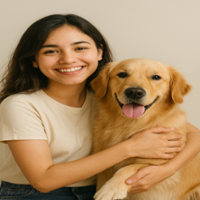
A Gentle, Mobility-Friendly Grooming Guide for Older Dogs & Cats
A Gentle, Mobility-Friendly Grooming Guide for Older Dogs & Cats
As pets age, their grooming needs change. Senior dogs and cats often face reduced mobility, sensitive skin, joint pain, vision changes, and lower tolerance for long sessions. Grooming that once felt easy can become uncomfortable - or even stressful - if routines aren’t adapted.
This guide explains how to groom senior pets safely and comfortably, with mobility-friendly routines, age-appropriate frequency, and practical tips tailored to Indian weather.
Why Grooming Seniors Needs a Different Approach
Senior pets may experience:
- Arthritis or joint stiffness
- Thinner, drier skin
- Reduced balance
- Anxiety or sensory sensitivity
Forcing old routines can cause pain or fear. Gentle, shorter, and more frequent care works best.
What Changes as Pets Age?
Compared to adults, senior pets need:
- Less frequent wet baths
- More moisturising care
- Shorter grooming sessions
- Extra support for standing or lying down
- Calm, predictable routines
Think comfort over cosmetics.
Bathing Senior Pets (Less Is More)
How Often?
- Wet bath: Every 4–6 weeks (unless medically needed)
- Dry bath: As required for freshness
Best Practices
- Use lukewarm water
- Avoid slippery surfaces
- Keep baths short
- Dry thoroughly, especially in monsoon and winter
Over-bathing worsens dryness and joint discomfort.
Paw Care Becomes Critical with Age
Senior pets:
- Slip more easily
- Develop cracked paw pads
- Lick paws due to discomfort
Daily Paw Routine
- Clean paws gently after walks
- Dry completely
- Moisturise if pads feel rough
This reduces slipping and improves stability.
Brushing: Gentle & Supportive
Brushing helps circulation and reduces matting - but pressure matters.
Tips
- Use soft brushes
- Avoid tugging
- Brush while your pet is lying comfortably
- Stop if your pet stiffens or pulls away
Frequency:
- Short coat: 2–3 times/week
- Long coat: Gentle daily or alternate days
Spot Cleaning Over Full Baths
Senior pets often benefit more from:
- Dry baths
- Pet wipes for face and body
- Targeted cleaning instead of full baths
This maintains hygiene without physical strain.
Daily Observation Matters More Than Cleaning
Senior grooming should prioritise inspection over action. Check daily for:
- Lumps or swelling
- Redness or rashes
- Changes in coat quality
- Eye discharge
- Behavioural changes
Early detection is crucial in older pets.
Grooming & Cognitive Comfort
Older pets may:
- Startle easily
- Dislike new routines
- Become anxious during handling
Make Grooming Comfortable
- Groom at the same time daily
- Keep the environment quiet
- Speak softly
- Use familiar tools
- Take breaks often
Calm grooming supports mental well-being too.
Grooming Senior Pets in Indian Weather
Summer
- Focus on paw care
- Avoid hot floors
- Use cooling, dry grooming methods
Monsoon
- Dry paws thoroughly
- Watch for fungal infections
- Keep coat clean but dry
Winter
- Reduce bathing
- Increase brushing
- Moisturise skin and paws
Common Grooming Mistakes with Senior Pets
Avoid:
- Long grooming sessions
- Forcing standing positions
- Frequent wet baths
- Ignoring joint discomfort
- Using harsh products
Senior pets need patience, not pressure.
Mobility-Friendly Grooming Routine
DAILY (5–7 minutes)
2–3 TIMES A WEEK
MONTHLY / AS NEEDED
COMFORT RULES
Grooming Senior Cats (Special Notes)
- Cats groom themselves but still need help
- Arthritis reduces flexibility
- Focus on brushing and spot cleaning
- Never force restraint
Senior cats benefit greatly from gentle human assistance.
Summary
Grooming senior pets isn’t about maintaining appearance - it’s about preserving comfort, dignity, and health.
By adapting routines to:
- Reduced mobility
- Sensitive skin
- Short attention spans